
Origins of Paper Folding
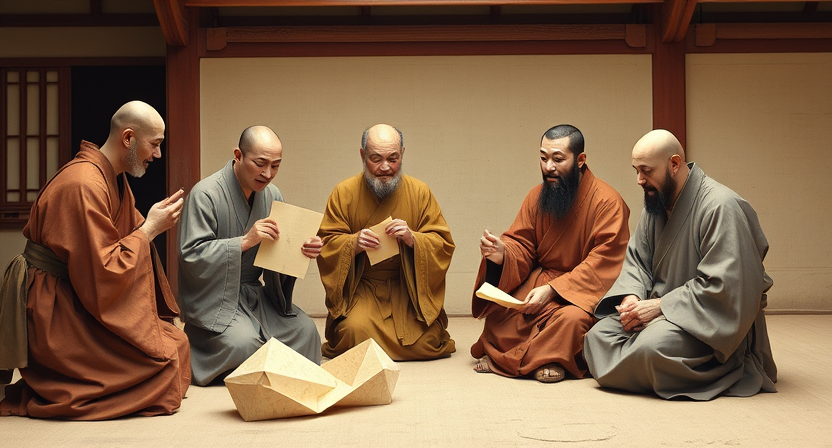
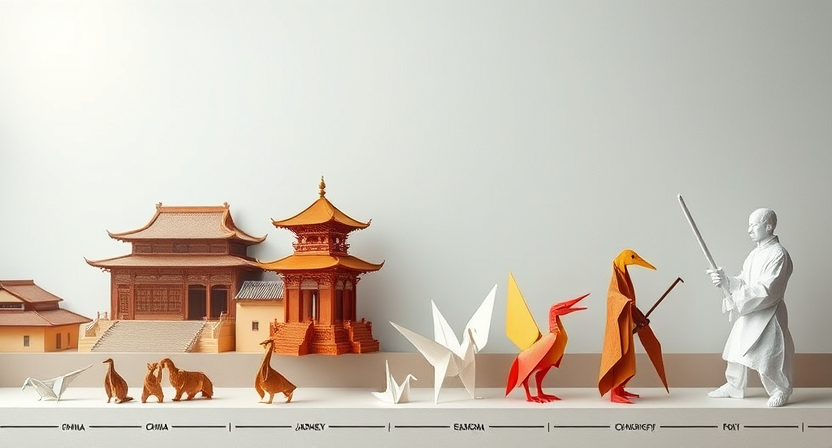
Paper folding, known as origami, has a rich history that dates back centuries. The exact origins of this art form are not clearly documented, but it is believed to have originated in China around the 1st century AD. Chinese monks are thought to have brought paper to Japan in the 6th century, which likely contributed to the spread of paper folding techniques to the island nation.
Origami gradually became intertwined with Japanese culture and traditions, evolving into a revered art form with deep symbolic meanings. It was not merely seen as a recreational pastime, but also as a form of artistic expression and meditation. Over time, intricate origami designs were used in ceremonial rituals, gift-giving, and even as a way to convey spiritual messages.
Origami in Ancient China
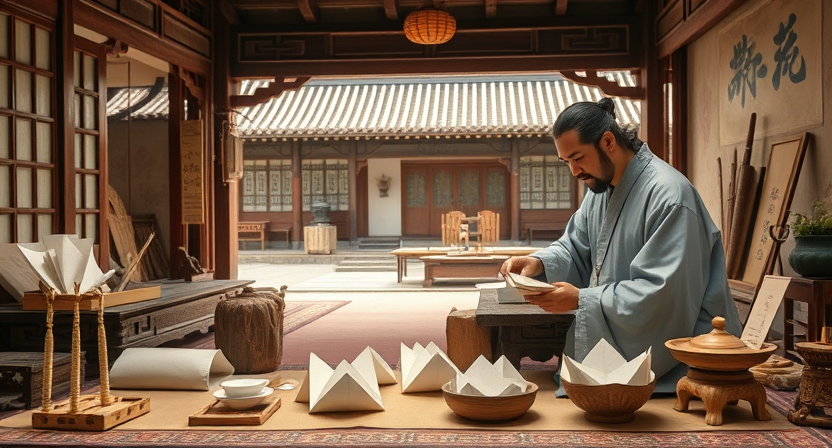
Origami in Ancient China can be traced back to the first or second century AD, where paper was first invented. Despite the lack of concrete evidence, it is believed that paper folding was practiced in China during this time, with some references suggesting that objects and shapes were created through folding and cutting paper.
The art of paper folding in ancient China was likely used for decorative and ceremonial purposes, much like the later Japanese tradition of origami. While the specific techniques and designs of Chinese paper folding may have differed from the intricate folds and shapes seen in modern origami, the ancient practice laid the foundation for the evolution and spread of paper folding techniques across East Asia.
Spread of Origami to Japan
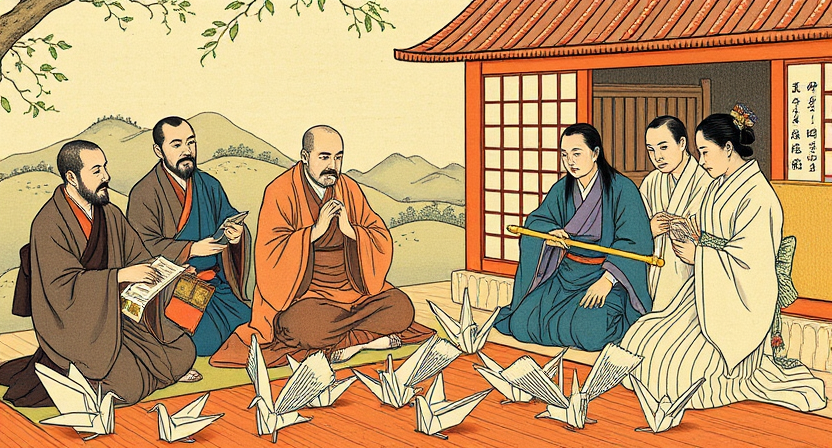
During the 6th century, with the introduction of paper making in Japan, the art of paper folding started to spread throughout the country. Whereas the Chinese were primarily focused on paper as a practical medium, the Japanese developed a rich cultural appreciation for the artistic possibilities of origami. This led to the refinement and diversification of folding techniques, resulting in the creation of intricate and delicate designs that became synonymous with Japanese origami.
Origami was initially practiced by the aristocracy and the Shinto priests in Japan, who used folded paper figures in sacred rituals and ceremonies. Over time, the practice of origami spread to the general population, becoming a popular pastime for both adults and children alike. The Japanese embraced origami not only as a form of artistic expression but also as a means of teaching patience, precision, and mindfulness. The tradition of passing down origami techniques from one generation to the next helped to solidify its place in Japanese culture and ensure its continued relevance in modern times.
Origami in Japanese Culture
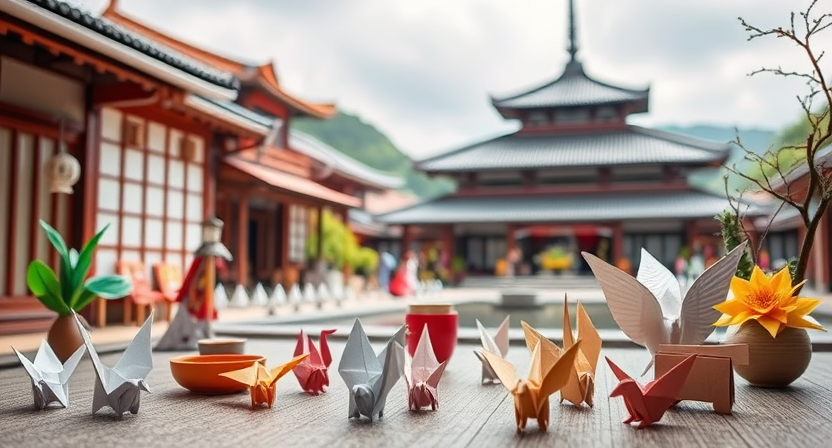
Origami holds a special place in Japanese culture, embodying values of patience, precision, and simplicity. Its presence can be seen in various aspects of Japanese society, from ceremonial rituals to everyday practices. The art of paper folding is not just a casual pastime but a deeply ingrained tradition that reflects the Japanese aesthetic of finding beauty in simplicity and understated elegance.
In Japan, origami is not only a form of artistic expression but also a means of communication and storytelling. Through carefully crafted paper creations, intricate narratives and symbolic representations are conveyed, adding layers of meaning and cultural significance to the folded pieces. This rich tradition of origami in Japanese culture showcases the deep respect for nature, harmony, and balance that are core values in Japanese society.
Origami in Shinto and Buddhist Traditions
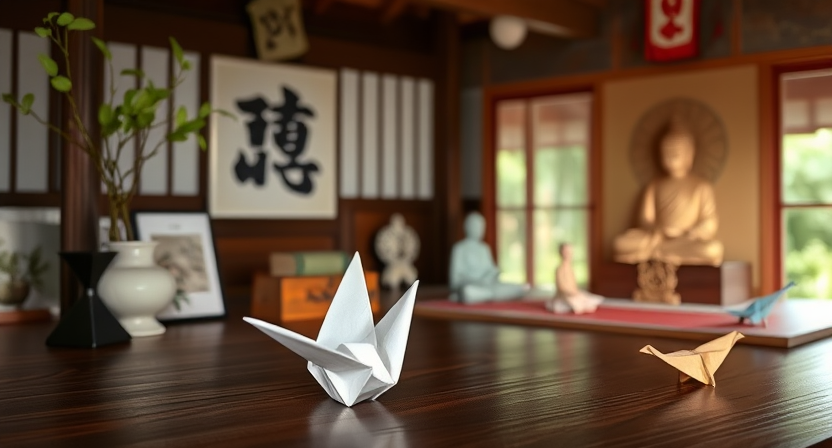
Origami holds a significant place in Shinto and Buddhist traditions in Japan, where the art of paper folding is often used in religious ceremonies and rituals. In Shintoism, origami paper cranes, known as “orizuru,” are believed to carry one’s wishes and prayers to the gods when folded with a pure heart and intention. These paper cranes symbolize peace, longevity, and good fortune, making them a common offering at shrines and temples.
Similarly, in Buddhism, origami figures are used as a form of meditation and mindfulness practice. The meticulous folding process requires concentration and focus, allowing practitioners to still their minds and express their devotion through a tangible form. Origami is also used to create intricate decorations for altars and offerings during Buddhist ceremonies, showcasing the harmonious blend of creativity and spirituality in the ancient art form.
Origami in Samurai Culture
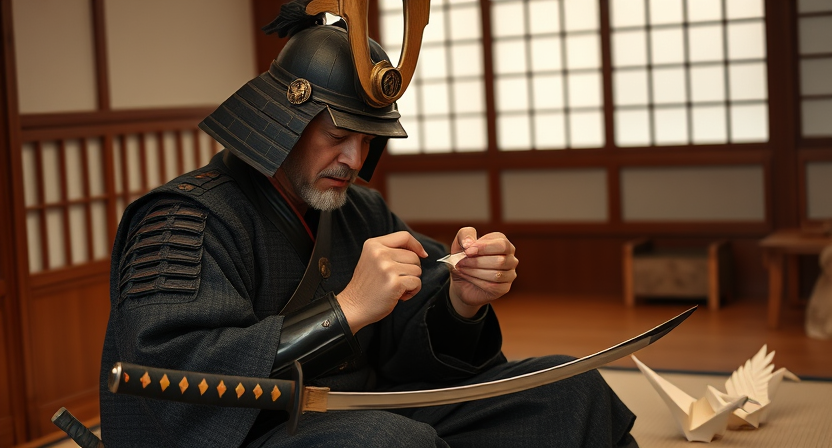
In Samurai culture, origami held a special significance beyond its artistic value. The practice of folding paper was seen as a form of mental discipline and patience, qualities highly valued by the samurai. Origami was often used as a way to train focus and attention to detail, skills that were crucial in the rigorous training and lifestyle of a samurai warrior.
Samurai warriors would create intricate origami figures as a way to relax and unwind after battles or during periods of contemplation. The precision and care required to fold the delicate paper into intricate shapes mirrored the meticulous approach that samurai took in their swordsmanship and strategy. Additionally, origami was believed to bring good luck and protection, making it a common practice among samurai to fold paper talismans before going into battle.
• Origami was seen as a form of mental discipline and patience
• Used to train focus and attention to detail
• Samurai warriors used origami to relax and unwind after battles
• Folding paper mirrored the meticulous approach in swordsmanship
• Origami was believed to bring good luck and protection, commonly used before battle
Origami in the Edo Period
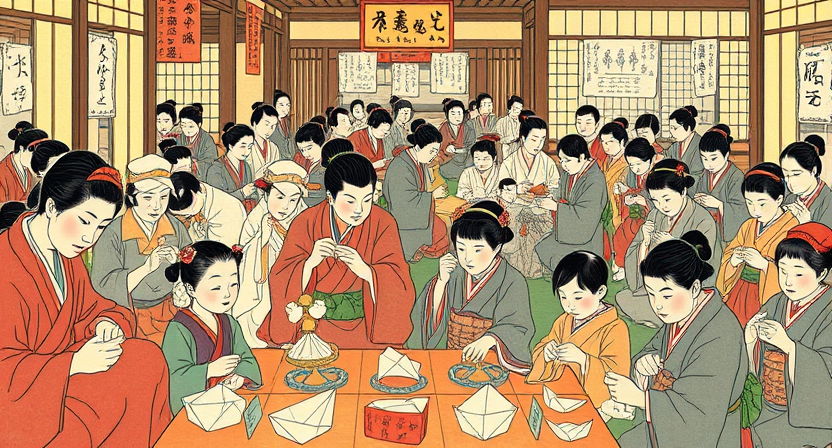
During the Edo Period in Japan (1603-1868), origami evolved as a popular form of entertainment and expression among the general populace. Initially practiced by the aristocracy, origami gradually became more accessible to the common people due to the introduction of cheaper paper and the spread of literacy, allowing for wider participation in this art form.
Artisans and samurai in the Edo Period adopted origami as a means of developing patience, precision, and discipline. The practice of origami was integrated into the education of samurai children as a way to cultivate focus and fine motor skills. Additionally, origami served as a form of relaxation and meditation, allowing individuals to find peace and solace in the rhythmic folding of paper.
Development of Traditional Origami Models
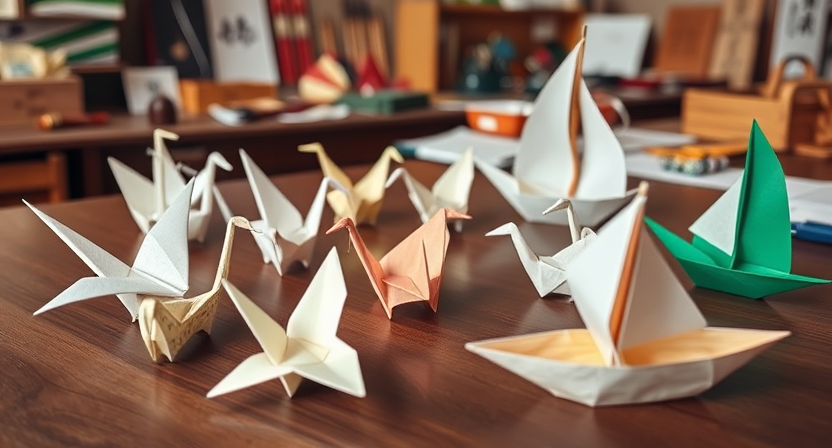
Origami, the traditional Japanese art of paper folding, boasts a rich history filled with an array of traditional models that have been passed down through generations. These models serve as the foundation for the intricate and precise folds that define the art of origami. From the iconic crane and simple paper boat to more complex designs like the frog and lily flower, traditional origami models showcase the skill and creativity of origami artists.
The development of traditional origami models is a reflection of the cultural significance and symbolism embedded in each creation. Many of these models hold deep meaning and are often associated with luck, prosperity, and good fortune. Through the careful crafting of these models, origami artists pay homage to the traditions and values that have been upheld for centuries, making each fold a tribute to the art’s enduring legacy.
Influence of Origami on Japanese Art
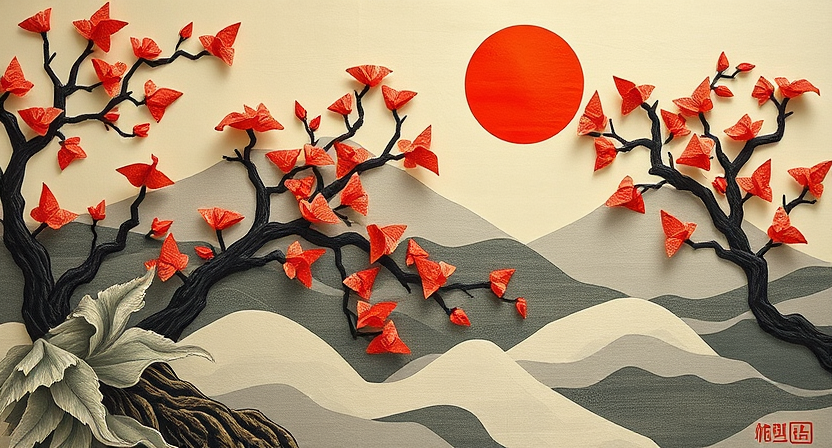
The art of origami has deeply influenced various forms of Japanese art throughout history. Traditional Japanese artists have drawn inspiration from the precise folds and intricate designs of origami to create their own masterpieces. Origami’s emphasis on patience, detail, and creativity has permeated into the realms of painting, calligraphy, and ceramics, enriching Japanese art with a sense of delicacy and beauty.
Furthermore, origami’s influence on Japanese art can be seen in the way artists have incorporated paper folding techniques into their works. From three-dimensional sculptures to intricate patterns on clothing, the impact of origami can be felt in the unique textures and shapes that artists have been able to achieve. By adopting origami principles, Japanese artists have been able to push the boundaries of traditional art forms and create innovative pieces that captivate viewers with their elegance and complexity.
Origami in Western Countries
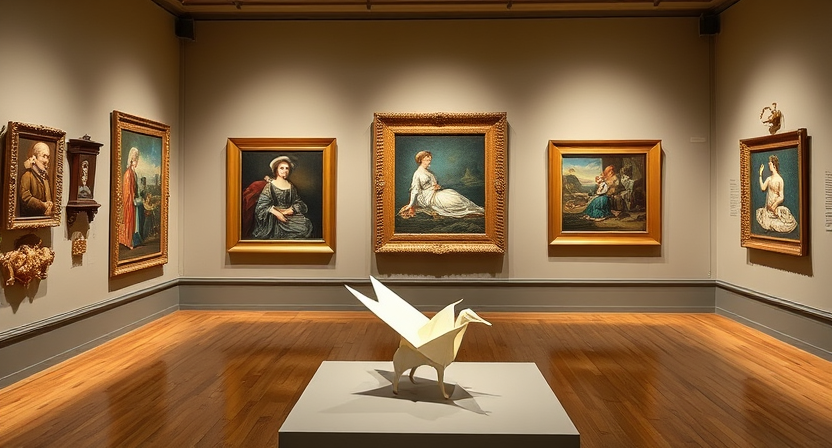
Origami made its way to Western countries during the 19th century, when Japan opened its borders to foreign trade. The intricate paper-folding art form quickly captivated Western audiences, who were mesmerized by the meticulous craftsmanship and creativity involved. As origami gained popularity in Europe and North America, it began to be recognized not only as a children’s pastime but also as a sophisticated art form that required skill and precision.
In Western countries, origami has been embraced by artists, designers, and educators alike. Its therapeutic benefits and ability to enhance cognitive skills have led to its integration into educational curricula and therapeutic practices. Artists and designers have explored the endless possibilities of origami, incorporating it into fashion, product design, and even advertising campaigns. The versatility of origami as a medium of expression continues to inspire creativity and innovation across various fields in Western societies.
Origami in Modern Times

In the modern era, origami has experienced a resurgence in popularity, transcending cultural boundaries and captivating individuals worldwide. With the advent of social media platforms and online tutorials, enthusiasts from diverse backgrounds have come together to share their creations, techniques, and passion for the art of paper folding. This digital age has provided a virtual space for artists and hobbyists to connect, collaborate, and showcase their intricate origami designs to a global audience.
Moreover, origami has found new applications in various fields such as science, technology, and fashion. Scientists and engineers have looked to the principles of origami to inspire innovations in robotics, space exploration, and medical devices. Designers and fashion houses have integrated origami techniques into their creations, adding a touch of creativity and elegance to garments and accessories. The adaptability and versatility of origami have enabled it to evolve and thrive in the modern world, redefining its role as not just a traditional art form but also a source of inspiration for innovation and creativity.
Origami as a Form of Therapy

Origami has been increasingly recognized for its therapeutic benefits in recent years. The meditative and calming nature of creating intricate paper designs can help individuals reduce stress, anxiety, and improve focus. Engaging in the precise and repetitive movements required for origami can also promote mindfulness and relaxation.
Furthermore, the sense of accomplishment and satisfaction that comes with completing a complex origami model can boost self-esteem and confidence. For those struggling with mental health issues or seeking a creative outlet, origami can provide a soothing and therapeutic activity that allows for self-expression and emotional release.
Mathematical Principles in Origami
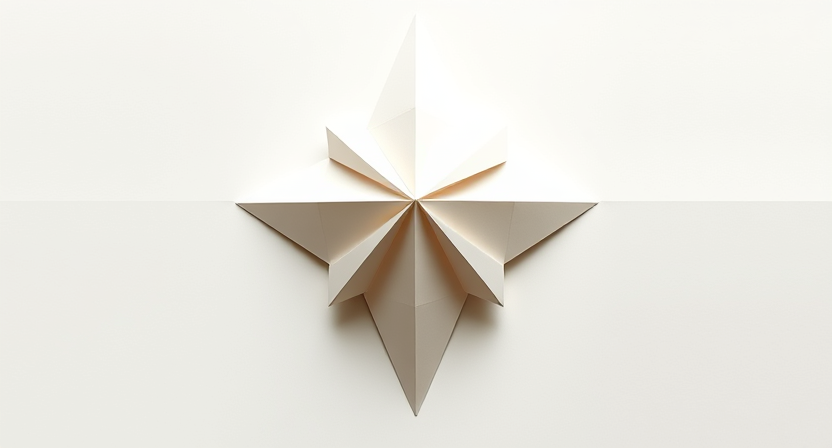
Origami, the ancient art of paper folding, is not only a creative and aesthetic practice but also deeply rooted in mathematical principles. Mathematical concepts such as symmetry, geometry, and algorithmic thinking play a crucial role in the design and execution of origami models. By utilizing mathematical techniques, origami artists are able to create intricate and complex designs with precision and accuracy.
One of the fundamental mathematical principles in origami is the concept of geometric transformations. Through a series of folds and creases, paper is transformed from a two-dimensional flat surface into various three-dimensional shapes. This process involves precise measurements and calculations to ensure that the final model is symmetrical and visually appealing. Additionally, the use of geometric principles like symmetry and proportion allows origami artists to create harmonious and balanced designs that showcase the beauty of mathematical precision.
Origami in Science and Technology

Origami has transcended its traditional roots to find innovative applications in the realms of science and technology. By applying the principles of folding and unfolding, researchers have developed origami-inspired structures that can adapt to different shapes and functions. For instance, scientists have looked to origami for inspiration in creating deployable structures for space exploration, medical devices, and even architecture.
Furthermore, the study of origami has led to advancements in materials science, allowing for the development of new materials that possess unique mechanical properties. By mimicking the intricate folds found in origami designs, researchers have been able to create materials with enhanced flexibility, durability, and strength. As technology continues to evolve, the influence of origami on scientific and technological innovations is expected to grow, paving the way for new possibilities and discoveries.
Origami in Education

Origami has found its way into educational settings around the world as a valuable tool for enhancing learning experiences. This ancient paper-folding art form not only sparks creativity but also improves students’ concentration and fine motor skills. By engaging in origami projects, students can develop patience, problem-solving abilities, and spatial awareness, making it a versatile educational tool that can be incorporated into various subjects such as math, science, and art.
In classrooms, teachers often use origami to teach geometric concepts, fractions, symmetry, and other mathematical principles in a hands-on and visually appealing manner. Additionally, origami can be used to facilitate teamwork and collaboration among students, encouraging communication and sharing of ideas. Through the process of folding paper and following instructions, students learn to follow sequential steps, improve their attention to detail, and enhance their perseverance in completing tasks.
Origami in Popular Culture

Origami has become a ubiquitous presence in popular culture, finding its way into various forms of entertainment, art, and media. From movies and television shows featuring origami as a central theme or plot device to popular music videos showcasing intricate paper creations, the art of paper folding has captivated audiences around the world.
Celebrities and influencers have also embraced origami, incorporating it into their social media feeds and using it as a form of creative expression. With the rise of DIY culture and crafting communities online, origami tutorials and challenges have gained immense popularity, inspiring people of all ages and backgrounds to try their hand at this ancient art form.
Origami in Fashion and Design

The art of origami has transcended its traditional boundaries and made its way into the world of fashion and design. Designers from various corners of the globe have incorporated the intricate folds and geometric precision of origami into their clothing collections and accessories. The delicate and structured nature of origami has brought a fresh and innovative appeal to the fashion industry, giving rise to unique and avant-garde designs that stand out for their creativity and precision.
In the realm of design, origami techniques have been utilized to create stunning architectural structures, furniture pieces, and interior décor. The clean lines and minimalist aesthetic of origami have inspired designers to explore new possibilities in transforming simple sheets of paper into functional and visually striking objects. The collaboration between traditional origami principles and modern design concepts has led to the emergence of dynamic and visually captivating creations that redefine the boundaries of form and function.
Origami in Advertising and Marketing
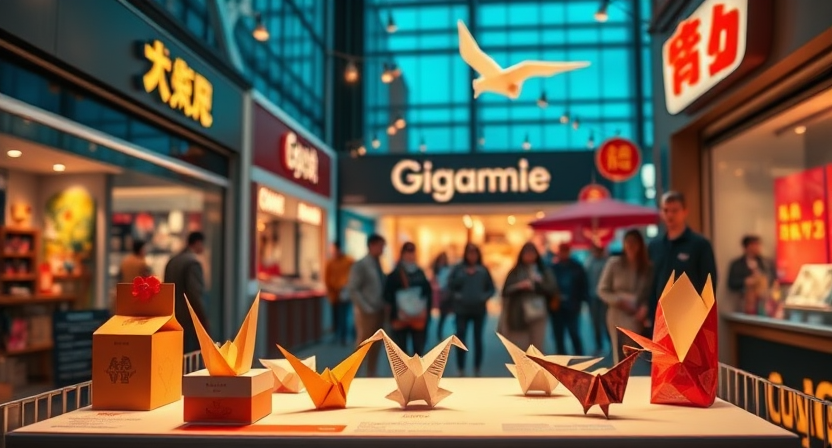
Origami has found its way into the realm of advertising and marketing as a unique and creative way to capture the attention of consumers. Companies have utilized the art of paper folding to create visually appealing and interactive marketing materials that stand out in a crowded marketplace. By incorporating origami into their campaigns, businesses are able to convey a sense of craftsmanship and creativity that resonates with their target audience.
Origami has proven to be a powerful tool in advertising and marketing due to its ability to create a sense of surprise and delight. Whether it’s a paper crane adorning a product package or an origami animal featured in a television commercial, the use of paper folding adds a touch of artistry and charm to promotional materials. Moreover, the tactile nature of origami can evoke a sense of curiosity and engagement, making consumers more likely to remember and connect with a brand’s message.
Origami in Social Media
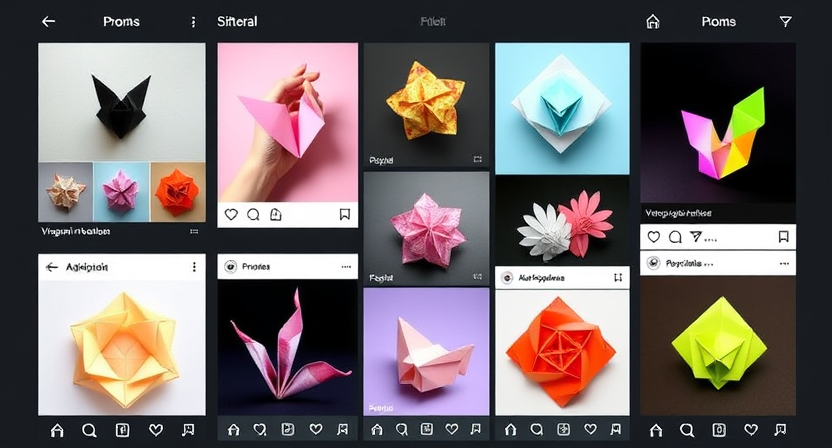
In recent years, social media platforms have become a popular space for origami enthusiasts to share their creations and connect with others who share the same passion for this ancient art form. With the rise of visual-centric platforms like Instagram and Pinterest, origami artists can showcase their intricate folded designs to a global audience, garnering likes, comments, and followers who appreciate the precision and creativity required in this craft.
Social media has also facilitated the exchange of origami techniques and tutorials, allowing beginners to learn from experienced folders through video demonstrations and step-by-step guides. Online communities dedicated to origami provide a supportive environment for artists to seek feedback, advice, and inspiration, fostering a sense of camaraderie among individuals who are united by their love for the art of paper folding.
Future of Origami
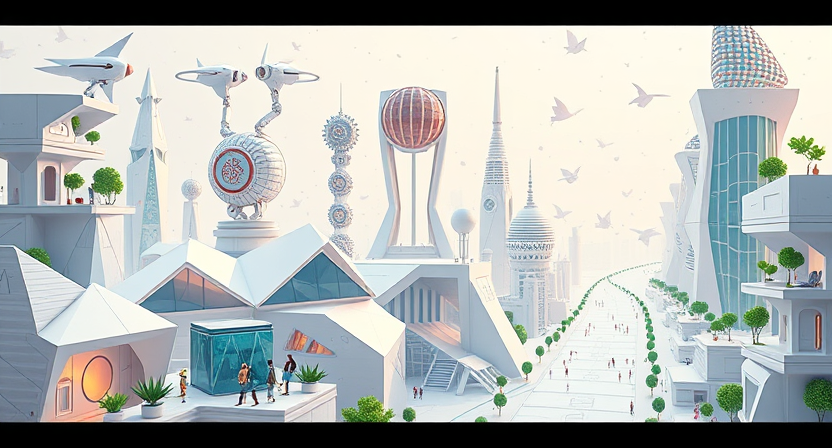
As origami continues to captivate individuals worldwide with its beauty and complexity, the future of this ancient art form appears bright and promising. With the advancement of technology and the widespread availability of tutorials online, more people are gaining access to learn and practice origami. This accessibility is likely to lead to a surge in creativity and innovation within the origami community, as artists and enthusiasts from diverse backgrounds come together to push the boundaries of traditional folding techniques.
Moreover, as sustainability and environmental consciousness become increasingly important, origami’s eco-friendly nature may further contribute to its popularity in the future. The art of paper folding requires minimal resources and produces little waste, making it a sustainable form of artistic expression. In a world that is becoming more and more focused on reducing consumption and waste, origami could emerge as a symbol of creativity, resourcefulness, and environmental awareness in the years to come.